Overhead Crane Parts: Strategies to Get Right Parts for Buyers
menu_open
Content Quick Link
Check strategies to streamline crane parts inquiries. Learn about cross-referencing, building a parts database, and expert consultation for efficient procurement.
Introduction
Overview of the Common Problem
Overview of the Common Problem
In the crane parts industry, vague inquiries are a common challenge. Buyers often request parts without providing enough details, such as part names, specifications, or compatibility information. This lack of clarity makes it difficult for suppliers to accurately process orders.
Crane systems are intricate, with various components working together. Not all buyers know the exact specs needed for every part they require. This gap in information can lead to confusion, mistakes, and delays, especially when working with different suppliers who may use different terminology.
Impact on Business
Vague inquiries slow down operations for both buyers and suppliers. When parts are not specified clearly, it can lead to:
- Delays in Processing: The time spent trying to figure out what the buyer needs delays the entire order process.
- Increased Errors: Wrong parts may be shipped, leading to returns, replacements, and further delays.
- Costly Mistakes: Fixing mistakes can waste time and money, impacting profitability.
This not only affects the efficiency of the transaction but also damages relationships. Buyers may lose trust in suppliers, and suppliers may lose future business if the process becomes too difficult or unreliable.
Objective of the Guide
This guide aims to help buyers, importers, dealers, and suppliers deal with vague crane parts inquiries more effectively. By following clear strategies, you can:
- Improve Communication: Understand what the buyer needs and provide them with the right parts.
- Reduce Errors: Ask the right questions upfront to avoid mistakes down the line.
- Speed Up the Process: Make the inquiry process more efficient, leading to faster delivery and happier customers.
Why Vague Inquiries Are Common in the Crane Parts Industry
Why vague inquiries are common in crane parts inquiries.
Complexity of Crane Systems
Crane systems are made up of many different components, each serving a specific function. From hoists and motors to trolleys and control systems, each part must work together to safely and efficiently move heavy loads. Because of this complexity, it's not always clear to a buyer which part needs replacing or what specifications are required for a new order.
For example:
- Hoists can vary in type, capacity, and features depending on the crane system.
- Control systems (remote or cabin control) require specific compatibility with the crane's electrical setup.
- Trolleys may have different sizes and load capacities depending on the crane's design.
This variety in crane parts can confuse even experienced buyers, making it hard for them to specify exactly what they need when they reach out for a quote or parts replacement.
Lack of Technical Knowledge
Many buyers may not be familiar with the technical details required for crane parts inquiries. While they may know the general part they need (like a hoist or a motor), they might not know the precise specifications or model numbers necessary for a successful order.
For instance:
- A buyer might request a "5-ton hoist" without knowing the difference between a manual hoist and an electric hoist or which one is compatible with their crane.
- They might mention a "control panel" but not specify whether they need a single-speed or variable-speed control system.
In many cases, buyers rely on suppliers to help identify the right parts, but without clear technical knowledge, they may leave out critical details or misunderstand the specifications required.
Industry Standards and Variability
Crane manufacturers often use different terminologies and standards for similar components. This can add another layer of confusion when buyers are trying to source parts across different brands or suppliers.
For example:
- One supplier might refer to a "crane motor" as a "hoisting drive unit", while another calls it a "lifting drive motor".
- Terms like "single girder" and "double girder" can be used differently by different manufacturers, even though the basic concept remains the same.
When multiple manufacturers use varying terms, it becomes difficult for buyers to know if the parts they're requesting will be compatible with their crane system. This lack of standardization often leads to vague inquiries, where buyers aren't sure which specific parts or terminology to use.
The Importance of Clear Specifications
The significance of providing accurate crane part specifications to ensure correct pricing, timely delivery, and compatibility.
Ensuring Accurate Quotes and Timely Delivery
When it comes to ordering crane parts, precise specifications are key to ensuring that you receive the correct parts at the right price, and in the right timeframe. Clear details help suppliers accurately quote the cost of parts based on their exact specifications—whether it's a specific hoist type, motor capacity, or control system configuration.
Why precise specifications matter:
- Accurate Pricing: Without clear specs, suppliers may have to guess or make assumptions, leading to price fluctuations or inaccurate quotes.
- Compatibility Checks: Clear specs ensure the parts will be compatible with the existing crane system, avoiding any additional costs for modifications.
- Quicker Turnaround: When everything is clear from the start, the order can be processed and shipped faster, leading to timely delivery.
For buyers, this means less back-and-forth and fewer delays. For suppliers, it ensures they can meet deadlines and deliver the right parts efficiently.
Reducing Miscommunication
Miscommunication is one of the biggest issues when dealing with vague parts inquiries. When a buyer doesn't provide enough detail, the supplier might interpret the request incorrectly, leading to errors in the order. Even small mistakes—like sending the wrong hoist capacity or an incompatible motor—can result in time and money spent correcting the problem.
How clear details help:
- Less Room for Assumptions: Clear, detailed specifications mean there's less chance for either party to make assumptions about what's required.
- Fewer Mistakes: With precise information, suppliers can double-check compatibility and make sure the part is exactly what the buyer needs.
- Improved Communication: A clear inquiry eliminates the need for constant back-and-forth clarifications. Both parties are on the same page from the start.
In short, clear specifications remove uncertainty, make the process smoother, and reduce the likelihood of costly errors.
Avoiding Compatibility Issues
When a buyer places an order without providing full specifications, there's a high risk that the parts they receive won't be compatible with their crane system. Compatibility issues are especially common in the crane industry, where different parts must work together in a specific configuration.
Why compatibility matters:
- System Integration: Crane parts are not always one-size-fits-all. For example, a hoist designed for a single girder crane might not fit a double girder crane, even if the load capacity is similar.
- Environment Considerations: Some parts may be suitable for indoor use but fail to meet the requirements for outdoor or explosion-proof environments.
- Avoiding Downtime: If parts don't fit or work properly, the crane could be out of service for days, leading to costly downtime for operations.
Providing clear specifications ensures that all parts will work seamlessly with the existing crane system, ensuring safe and efficient operations and avoiding unnecessary replacements or fixes.
Proven Strategies to Request Detailed Specifications
Strategies for ensuring clear, detailed, and accurate crane part specifications from buyers.
Standardized Inquiry Forms: A Key to Accuracy
To ensure clarity and consistency, provide buyers with a standardized inquiry form. This form acts as a guide, helping buyers list all the necessary details, which minimizes the chances of missing or unclear information.
Why Use a Standardized Form?
- Consistency: A well-structured form ensures that all required details are captured consistently from each buyer.
- Efficiency: With all information organized, suppliers can quickly process inquiries and provide accurate responses.
- Error Prevention: A standardized form reduces the risk of misunderstandings and mistakes, ensuring all aspects of the inquiry are covered.
Make this form easily accessible—either as a downloadable document or an online submission form—so buyers can conveniently fill it out and submit it.
Essential Information to Request
When creating the inquiry form, ask buyers for the key details that will help you provide accurate quotes and find compatible parts. Here's a breakdown of the critical information to request:
- Crane Type: Specify the crane type (e.g., single girder, double girder, or gantry crane) as different types have different parts, structures, and specifications.
- Load Capacity and Span Requirements: Ask for both the load capacity (e.g., 5 tons, 10 tons) and span (e.g., 10 meters). This helps determine the size and strength of the parts required.
- Specific Part Names and Codes (If Known): If the buyer already knows the exact part, such as a specific hoist or motor model, include a space to list the part code to ensure they receive the correct item.
- Environmental Conditions: Inquire about the operational environment, whether the crane will be used in explosion-proof, high heat, dusty, or wet conditions. This ensures the selected parts meet environmental requirements.
- Installation and Operation Context: Ask where the crane will be installed (e.g., indoor vs. outdoor) and whether it will be used for heavy-duty or light-duty operations. These details will help select the most appropriate and durable parts.
How to Guide Buyers Who Aren't Sure
Some buyers may not know what technical details to provide. In these cases, offering gentle guidance will help them submit the necessary information. Here's how you can assist:
Start with Broad Questions: Begin with simple, open-ended questions like, "Can you describe your crane?" or "What type of environment will the crane be operating in?" This invites the buyer to provide whatever information they do know, which you can use to guide the conversation.
Provide Clear Examples: Include examples for each section of the form. For instance:
- Crane Type: "For example, Single Girder, Double Girder, or Gantry."
- Load Capacity: "Please specify the weight the crane is designed to lift (e.g., 10 tons)."
Step-by-Step Walkthrough: Break down the form into smaller, manageable steps. For example:
- Step 1: "Start by telling us the type of crane you have. This will help us understand the structure."
- Step 2: "Next, let's list the crane's load capacity and span. This ensures we select parts that can handle the weight."
Clarify Technical Terms: If the buyer is unfamiliar with technical terms, provide simple explanations. For example, explain the difference between a manual hoist and an electric hoist, or help them understand the term load capacity by referring to the crane's lifting ability.
Offer a Helpful Checklist: At the end of the form, include a checklist so buyers can double-check their details before submitting:
- "Have you included your crane type?"
- "Did you specify the load capacity and span?"
- "Is your environmental condition listed?"
Educating and Guiding Buyers
Providing clear and informative guidance to buyers, ensuring they make well-informed decisions when requesting crane parts.
Providing Knowledgeable Assistance
Not all buyers will have the technical expertise to fully understand the specifics of the parts they need for their cranes. As a supplier, offering expert advice can help bridge this knowledge gap and ensure buyers get the right components.
How to Offer Expert Advice:
- Be Patient: Many buyers are unfamiliar with the details of crane parts, so approach each inquiry with patience and a willingness to educate.
- Provide Solutions, Not Just Parts: Instead of only suggesting individual parts, explain how those parts work together in the crane system. For example, "This motor works perfectly with the hoist system you're using and can handle the load capacity you need."
- Ask Clarifying Questions: If the buyer isn't sure which part to choose, ask clarifying questions to better understand their needs. For example, "Can you tell me more about the environment the crane will be used in? Is it indoors or outdoors?"
Why It Works:
- Builds Trust: Offering advice positions you as a trusted partner, not just a parts supplier.
- Saves Time and Money: Buyers get the right parts the first time, avoiding unnecessary returns and adjustments.
- Enhances Relationships: When buyers feel supported and educated, they are more likely to return for future needs.
Helping Buyers Understand the Key Components
A common reason for vague inquiries is that buyers often don't fully understand the parts they need. Providing clear explanations of key crane components can help them make more informed decisions and improve the accuracy of their requests.
A Quick Guide to Essential Crane Parts:
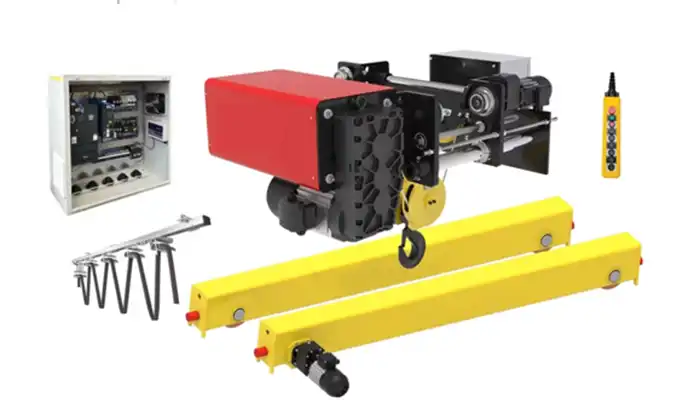
- Hoists: The lifting mechanism of the crane, available in various types (manual, electric, or hydraulic). Hoists are crucial in determining the crane's lifting capacity.
- Motors: Motors power the crane's movement, including the hoist, trolley, and bridge. The size and type of motor needed depend on the crane's capacity and the environment.
- Control Systems: These manage the crane's functions, such as lifting and movement. Options include manual control or remote control systems. The choice depends on the crane's use and operator preference.
- Trolleys: These carry the load across the crane bridge. They come in different configurations, including single trolleys or double trolleys, depending on the crane's capacity and operation style.
Offering Examples of Common Parts Packages
Buyers may not always know what parts are compatible with their crane model or type. Providing example crane parts configurations can help buyers understand what they should be ordering for their specific crane setup.
Examples of Common Parts Packages:
Single Girder Crane Package:
- Hoist: Electric hoist (5-ton capacity)
- Motor: 5 hp motor for hoisting and bridge movement
- Control System: Manual pendant control for up/down and bridge movement
- Trolley: Single trolley for lighter loads
Double Girder Crane Package:
- Hoist: Electric wire rope hoist (10-ton capacity)
- Motor: 10 hp motor for hoist and trolley
- Control System: Radio remote control for easy operation
- Trolley: Double trolley for heavier loads and precision movement
Why Examples Help:
- Simplicity: Giving clear, ready-made examples makes it easier for buyers to visualize the parts they need.
- Quick Decision-Making: Buyers can quickly identify what's included in a standard configuration and decide if it meets their needs or requires adjustments.
- Transparency: It shows buyers what to expect, helping them compare different configurations and ensure they're ordering compatible parts.
The Power of a Comprehensive Parts Catalog
A well-organized parts catalog enhances buyer and seller experience, offering clarity and efficiency in the crane parts industry.
Why a Catalog is Essential for Both Buyers and Sellers
A comprehensive parts catalog is a valuable tool for both buyers and sellers in the crane parts industry. It helps buyers quickly identify the parts they need, while providing sellers with a structured way to present their offerings.
Why It Matters for Buyers:
- Faster Identification: Buyers can browse a well-organized catalog and instantly locate the parts that meet their needs. This reduces the chance of vague or incomplete inquiries.
- Confidence in Selection: With a detailed catalog, buyers can cross-check specifications and make informed choices, ensuring they order the right part the first time.
Why It Matters for Sellers:
- Streamlined Sales Process: A catalog helps suppliers manage inventory, track parts, and respond to inquiries quickly.
- Improved Customer Service: When a buyer knows exactly what they need, the seller can provide a faster response, leading to more efficient operations and better customer satisfaction.
What to Include in the Catalog
A well-designed catalog should include detailed descriptions and specifications of all key crane components. Here's what should be included for each part:
Hoists:
- Description: What type of hoist it is (e.g., electric, manual, hydraulic) and its intended use.
- Specifications: Load capacity, speed, voltage, power ratings, and safety features.
- Applications: Common industries or scenarios where the hoist is typically used.
Motors:
- Description: Type of motor (e.g., AC, DC), power ratings, and torque.
- Specifications: Voltage, frequency, and motor dimensions.
- Applications: Examples of crane types that use the motor.
Trolleys:
- Description: Details about single or double trolleys, their load-bearing capabilities, and design.
- Specifications: Maximum load, trolley speed, dimensions, and compatibility notes.
Safety Devices:
- Description: Key safety features such as overload protection, limit switches, and emergency stop systems.
- Specifications: How they function within the crane system to ensure safety during operation.
- Compliance: Any industry safety standards or certifications the device meets.
Why This Is Important:
- Clear Information: Detailed descriptions and specifications help buyers make accurate decisions, minimizing the risk of ordering the wrong part.
- Increased Transparency: With thorough information, buyers can better understand what they're purchasing and ensure compatibility with their existing systems.
Clear Pictures, Specifications, and Compatibility Notes
Visual appeal and clarity are critical for an effective parts catalog. It's not enough to just list parts—buyers need to see what they're purchasing and understand how it fits into their crane system.
- High-Quality Pictures: Include clear, detailed images of each part from multiple angles to help buyers visualize the components.
- Specifications: Present the key technical details in a straightforward format. For example, use bullet points for quick reading and comprehension.
- Compatibility Notes: Ensure that each part includes compatibility information—what crane types and systems the part works with. This avoids the risk of buyers purchasing incompatible components.
Why It Works:
- Enhanced Understanding: Clear images and concise specs help buyers understand the part better, reducing confusion and improving decision-making.
- Compatibility Clarity: By providing compatibility notes, buyers can easily see if the part is a good fit for their specific crane, reducing the likelihood of errors.
Interactive and Accessible Catalogs
A user-friendly catalog is essential to keep the process smooth and efficient. An interactive catalog—whether digital or print—can significantly improve the buyer's experience and make it easier for them to find the right parts.
Features to Include:
- Search Functionality: Digital catalogs should have a search bar that allows buyers to search for parts by name, type, or specification. This helps them find what they need faster.
- Filters and Sorting Options: Allow buyers to filter parts based on specific criteria like load capacity, crane type, or price. This narrows down choices and speeds up decision-making.
- Navigation: Ensure the catalog is organized logically, with categories like hoists, motors, and safety devices clearly marked. A table of contents and intuitive page layout are essential for easy navigation.
- Mobile-Friendly: If your catalog is digital, ensure it's responsive and easy to view on mobile devices, as many buyers may access it from their phones or tablets.
Why It's Important:
- Faster Decision-Making: Interactive features like search and filters help buyers quickly find the parts they need, reducing the time spent browsing.
- Better User Experience: A well-designed catalog improves the buyer's experience and keeps them engaged, which leads to faster and more accurate orders.
Requesting Visuals: The Importance of Drawings, Schematics, and Photos
Visuals like technical drawings, CAD schematics, and photos are key to identifying and confirming crane parts, ensuring accuracy and avoiding mistakes.
How Visuals Help Clarify Inquiries
When it comes to crane parts, visuals—whether they're technical drawings, schematics, or photos—are invaluable for ensuring accuracy in orders. These visuals give a clear, precise view of the part in question and its fit within the overall crane system, making it much easier for suppliers to identify the right component.
Why Visuals Matter:
- Enhanced Clarity: Visuals remove ambiguity, allowing suppliers to see exactly what the buyer is describing. A picture or drawing can explain much more than words alone.
- Accurate Identification: Parts may look similar but have different specifications. A drawing or photo helps the supplier confirm the correct part, avoiding mistakes.
- Improved Communication: Visuals help bridge any gaps in understanding, especially when buyers may not be familiar with technical jargon or part codes.
What to Request from Buyers
To ensure accurate part identification, it's important to request specific types of visuals from the buyer. Here are examples of useful visuals that can help clarify the parts they need:
CAD Drawings:
- If the buyer has access to Computer-Aided Design (CAD) drawings of the crane or specific components, this is one of the most helpful visuals. CAD drawings provide detailed, to-scale representations of parts and their specifications.
- Request Example: "Please provide a CAD drawing of the crane or the part you're replacing. Make sure the dimensions and part numbers are visible."
Part Photos:
- Clear photos of the actual part, especially for custom or unique components, can be incredibly useful. The photos should be well-lit and show the part from multiple angles to capture any important details, like serial numbers or distinguishing features.
- Request Example: "Please send a photo of the part you need, including close-ups of any markings or serial numbers."
Existing Crane Setup Images:
- If the buyer is replacing parts or making upgrades, it helps to see images of the existing crane setup. These photos show the current configuration and may provide clues about which parts are compatible or need replacement.
- Request Example: "Please upload images of your existing crane setup, including any parts that need replacing or upgrading."
Best Practices for Submitting Visuals
It's important to request high-quality, clear visuals to ensure the best possible results. Here are some best practices for requesting and submitting visuals that can aid in the accurate identification of crane parts:
Clear and Detailed Images:
- Ensure that the photos are in focus, well-lit, and show the part from multiple angles. Close-up shots of serial numbers, markings, and any other identifying features are essential.
- Tip for Buyers: "Use natural light or a well-lit room to take clear photos of the part, ensuring that no shadows obscure any details."
High-Resolution Files:
- Ask buyers to send high-resolution images or drawings, as low-quality visuals can make it difficult to identify the parts accurately.
- Tip for Buyers: "When submitting images, ensure they are at least 1000px wide to preserve detail and clarity."
Include Relevant Dimensions:
- If possible, buyers should include measurements on the visuals, such as part lengths, widths, and heights. This helps confirm that the part will fit within the existing crane setup.
- Tip for Buyers: "If you're submitting CAD drawings, please include the dimensions. If sending photos, a ruler or measuring tape next to the part will help."
Organize and Label Files:
- Request that buyers organize their files in a clear manner, naming them appropriately (e.g., "CraneHoist_PartPhoto_2023"). This makes it easier to keep track of multiple inquiries and ensure each part is correctly identified.
- Tip for Buyers: "Label each file with the part name and number, if available. This helps us quickly identify which part corresponds to which part of your crane system."
Be Specific in Requests:
- When requesting visuals, always be specific about what you need to see. This helps avoid unnecessary back-and-forth and ensures the buyer understands exactly what to provide.
- Tip for Buyers: "Please make sure the part photos are focused on the markings, serial numbers, and key features that distinguish the part."
The Art of Following Up for Clarification
When a buyer submits an inquiry with unclear or missing information, following up professionally and promptly is crucial for clarity and avoiding delays.
When and How to Follow Up
When a buyer submits an inquiry with unclear or missing information, it's essential to follow up promptly and professionally to clarify the details. Delaying the follow-up or ignoring incomplete requests can lead to misunderstandings, mistakes, and delays.
Best Practices for Following Up:
- Be Timely: Follow up as soon as you notice missing or unclear information. A quick response helps keep the process moving and avoids delays in parts procurement.
- Be Specific: When reaching out, focus on the exact details that need clarification. Avoid asking for general information, as this could overwhelm the buyer.
- Use Multiple Channels: While email is the standard, it may also be helpful to follow up with a phone call or via instant messaging if the inquiry is urgent.
When to Follow Up:
- After the First Submission: If the inquiry is vague or incomplete, follow up within 24-48 hours to avoid delays.
- Before Making a Decision: If you're unsure about the parts required or need clarification to avoid errors, follow up before processing the order.
- When Specifications Change: If the buyer updates or revises their initial inquiry, reach out to confirm the changes.
Professional and Polite Follow-Up Techniques
When following up with buyers for more details, maintaining a professional and polite tone is essential. Buyers might not always be aware that their request is incomplete, so it's important to approach them with understanding.
How to Ask for More Details:
- Be Courteous and Understanding: Acknowledge that you understand the buyer might not have all the information on hand, but clarify what you need to proceed with their inquiry.
- Use Clear and Direct Language: Politely specify what's missing and explain why you need the details. Avoid making the buyer feel like they've done something wrong.
- Keep it Positive: Frame the follow-up in a positive light, emphasizing that providing the missing details will help move the process forward quickly.
Example Phrases to Use:
- "I noticed we're missing a few key details regarding the crane type. Could you kindly confirm whether it's a single girder or double girder crane?"
- "To ensure we provide the most accurate quote and compatible parts, we'd appreciate it if you could clarify the load capacity and span requirements."
Effective Follow-Up Email Templates
Here are some email templates that can be used to follow up with buyers for clarification. These templates are designed to be polite, direct, and easy to personalize.
Template 1: Request for Clarification on Missing Details
Subject: Clarification Needed for Your Crane Parts Inquiry
Dear [Buyer's Name],
I hope this message finds you well. Thank you for submitting your inquiry for crane parts. To ensure we provide you with the most accurate information and quote, we'd appreciate your help in clarifying a few details.
Could you kindly confirm the following:
- Crane Type: Is it a single girder or double girder crane?
- Load Capacity: What is the maximum load your crane is designed to lift?
- Span: Could you please specify the crane span (distance between the rails)?
Once we have this information, we'll be able to provide you with the best recommendations and a more accurate quote.
Thank you for your time, and we look forward to assisting you further.
Best regards,
[Your Name]
[Your Company]
[Your Contact Information]
Template 2: Polite Request for More Specifics on Part Requirements
Subject: Request for Further Information on Crane Parts
Dear [Buyer's Name],
Thank you for reaching out to us regarding your crane parts needs. To ensure we provide the correct components for your system, we need a bit more information regarding the parts you're looking for.
Could you please provide the following details:
- The specific part names or codes if available.
- Any photos or drawings of the parts or crane setup.
- Clarification on any environmental conditions the crane will be used in (e.g., explosion-proof, high heat, etc.).
This will help us ensure compatibility and avoid any mistakes in your order.
We look forward to your response and to assisting you with your crane system.
Kind regards,
[Your Name]
[Your Company]
[Your Contact Information]
Template 3: Friendly Reminder to Clarify Key Specifications
Subject: Friendly Reminder: Additional Details Needed for Your Inquiry
Dear [Buyer's Name],
I hope you're doing well! I wanted to kindly follow up on your crane parts inquiry. We're almost ready to proceed, but we're still missing a few key details to ensure that we select the right parts for your system.
Could you please confirm:
- The crane model and part specifications?
- Any specific environmental conditions where the crane will be operating?
Providing this information will allow us to offer a more accurate quote and ensure the parts are fully compatible with your crane.
Thank you for your help, and we look forward to moving ahead with your order.
Best regards,
[Your Name]
[Your Company]
[Your Contact Information]
10. Cross-Referencing Parts with Industry Standards
Using industry standards to cross-reference crane parts helps ensure accurate compatibility and faster identification of the correct components.
Using Industry Standards for Compatibility
When crane parts inquiries are unclear, cross-referencing parts with industry standards can help identify the correct components more quickly and accurately. Industry standards (like part codes and technical specifications) provide a shared language that suppliers and buyers use to ensure parts match the crane system.
Why It Helps:
- Faster Resolution: Standardized part codes and models allow you to quickly confirm compatibility.
- Increased Accuracy: Cross-referencing eliminates guesswork, ensuring parts are correct for the buyer's system.
Cross-Referencing Methodology
Here's a simple guide to cross-referencing crane parts:
- Obtain Part Details: Gather as much info as possible (part codes, descriptions, photos, or specifications like dimensions and weight).
- Consult Industry Databases: Use established databases (ISO, DIN, ANSI) to search for equivalent parts.
- Match Part Specifications: Compare key details like load capacity and dimensions with the standards.
- Verify Manufacturer Specifications: Check with the manufacturer to ensure the part meets operational requirements.
- Confirm Compatibility with Buyer's System: Ensure the part fits the buyer's crane, considering lifting capacity and environmental conditions.
- Why This Works: Cross-referencing speeds up the process and ensures the right parts are identified, reducing errors and compatibility issues.
Avoiding Compatibility Issues
Cross-referencing is key, but it's essential to confirm that parts fit the buyer's crane system:
Key Considerations:
- Load Capacity: Ensure the part can handle the crane's lifting load.
- Environmental Conditions: Check that the part is rated for the environment (e.g., explosion-proof or high-heat conditions).
- System Compatibility: Ensure the part works with the crane's existing setup.
Cross-referencing parts carefully prevents operational issues and saves time and money.
Building a Robust Parts Database
A parts database helps both buyers and dealers quickly find compatible crane parts, ensuring a smooth and efficient procurement process.
Why a Parts Database Is Essential for Speed and Accuracy
A parts database helps both buyers and dealers quickly find compatible crane parts, ensuring a smooth and efficient procurement process.
Benefits of a Parts Database:
- Speed: Quickly find parts and their specifications.
- Accuracy: Reduces errors in part identification.
- Efficiency: Saves time by avoiding repeated searches for part information.
What Should Be Included in the Database
A well-organized parts database should include:
- Detailed Descriptions: Include part names, functions, and use cases (e.g., electric hoists, trolleys).
- Part Codes and Identifiers: Standardized part codes and model numbers for easy identification.
- Compatibility Data: List which crane systems and models the part is compatible with.
- Installation Instructions: Provide basic installation guides to help buyers.
- Safety and Compliance Information: Include certifications like CE or ISO standards.
How the Database Benefits Both Buyers and Dealers
Benefits for Buyers:
- Quick Identification: Easily find parts that match their crane system.
- Transparency: Clear descriptions and specs help buyers make better decisions.
- Faster Procurement: Cross-referencing reduces delays.
Benefits for Dealers:
- Efficient Order Fulfillment: Quickly find part details to process orders faster.
- Fewer Inquiries: A comprehensive database reduces basic questions from buyers.
- Inventory Management: Track stock levels and avoid overstock or shortages.
Conclusion: Mastering Crane Parts Inquiries for Improved Efficiency
Recap of Key Strategies
Mastering crane parts inquiries requires implementing clear strategies that improve accuracy, reduce delays, and streamline the procurement process. Key strategies include:
- Ensuring clear specifications are provided from the start.
- Offering expert guidance through consultations.
- Cross-referencing parts with industry standards for compatibility.
- Building and maintaining a robust parts database to speed up identification.
Long-Term Benefits for Buyers and Dealers
Mastering the inquiry process has long-term benefits for both buyers and dealers:
- Faster Turnaround: Orders are processed quicker, leading to faster delivery times and reduced downtime for crane operations.
- Fewer Mistakes: Clear specifications and accurate parts identification lead to fewer errors and returns.
- Better Customer Satisfaction: Buyers experience fewer frustrations, improving overall satisfaction and loyalty.
Actionable Next Steps for Buyers and Dealers
To improve crane parts procurement, both buyers and dealers should:
- Implement a clear specification process for each inquiry.
- Take advantage of consultation services to resolve complex issues.
- Use cross-referencing and industry standards to ensure compatibility.
- Maintain a comprehensive parts database to streamline the search and order process.

Article by Bella ,who has been in the hoist and crane field since 2016. Bella provides overhead crane & gantry crane consultation services for clients who need a customized overhead travelling crane solution.Contact her to get free consultation.